He who sings frightens away his ills.
Miguel De Cervantes, Spanish writer
Singing is a popular pastime in the US, and it’s a great way to create social bonds. Many celebrities have made a career out of singing. However, most people in the US are amateurs. We sing in our cars, around the home, in the shower, or at parties with our friends. In short, everybody sings, and some are even familiar with their tessitura. So what are the different types of voices? Let’s have a little look at precisely what the larynx is capable of and what vocal range is, the various types of female and male voices, and the voice types within these distinctions.
| Voice Type | Typical Range | Typical Tessitura | Famous Examples | Suitable Genres |
|---|---|---|---|---|
| Bass | E2 – E4 | A2 – D4 | Barry White; Paul Robeson; Tim Storms; Leonard Cohen | Classical; Choral; Soul; Gospel |
| Baritone | A2 – A4 | C3 – G4 | Michael Bublé; Chris Cornell; John Legend; Elvis Presley | Pop; Jazz; Musical Theater; Classical |
| Tenor | C3 – C5 | E3 – B4 | Luciano Pavarotti; Bruno Mars; Sam Cooke; Ed Sheeran | Opera; Musical Theater; Pop; Rock |
| Countertenor | E3 – E5 | G3 – D5 | Philippe Jaroussky; Andreas Scholl; James Bowman; Jakub Józef Orliński | Baroque; Choral; Classical Crossover |
| Contralto | F3 – F5 | A3 – D5 | Cher; Annie Lennox; Amy Winehouse; Tracy Chapman | Jazz; Blues; Soul; Folk; Classical |
| Mezzo-Soprano | A3 – A5 | C4 – F5 | Adele; Barbra Streisand; Ella Fitzgerald; Rihanna | Pop; Jazz; Musical Theater; Classical |
| Soprano | C4 – C6 | E4 – A5 | Mariah Carey; Julie Andrews; Sarah Brightman; Ariana Grande | Opera; Musical Theater; Pop |



What Is a Voice Type?
A voice type is the system in Western music to classify singers. Generally, singers are classified by their vocal range, tessitura, and how the voice responds across different parts of its register. Two singers may share a range, but that doesn't mean that they sound the same.
main types of singing voice: Soprano, Mezzo-Soprano, Contralto, Countertenor, Tenor, Baritone, and Bass.
Voices can differ by timbre and comfort zone. Singers and musicians should know their voice type so they can choose music that suits their strengths without straining their vocal cords. Vocal coaches generally select exercises, repertoire, and technique based on a voice type. As a reminder, tessitura is the range of notes, from the highest to the lowest, that a person can comfortably sing without straining their vocal cords, which is naturally narrower than their range.
Timbre refers to the unique color or quality of a voice that makes one singer sound different from another, even when they hit the same note. It’s shaped by factors like resonance, vocal fold thickness, and how sound vibrates through the throat, mouth, and nasal cavities. Timbre helps distinguish bright, warm, dark, breathy, or powerful voices, and it plays a vital role in determining a singer’s voice type and ideal repertoire.
Female Voice Types
Singing tends to differ between males and females. There are different tessiture and you’re probably aware of the difference between a falsetto and a really deep voice. Whether you're taking singing lessons in San-Diego or New York, you should know your voice type.
main types of female voice: Soprano, Mezzo-Soprano, and Contralto.
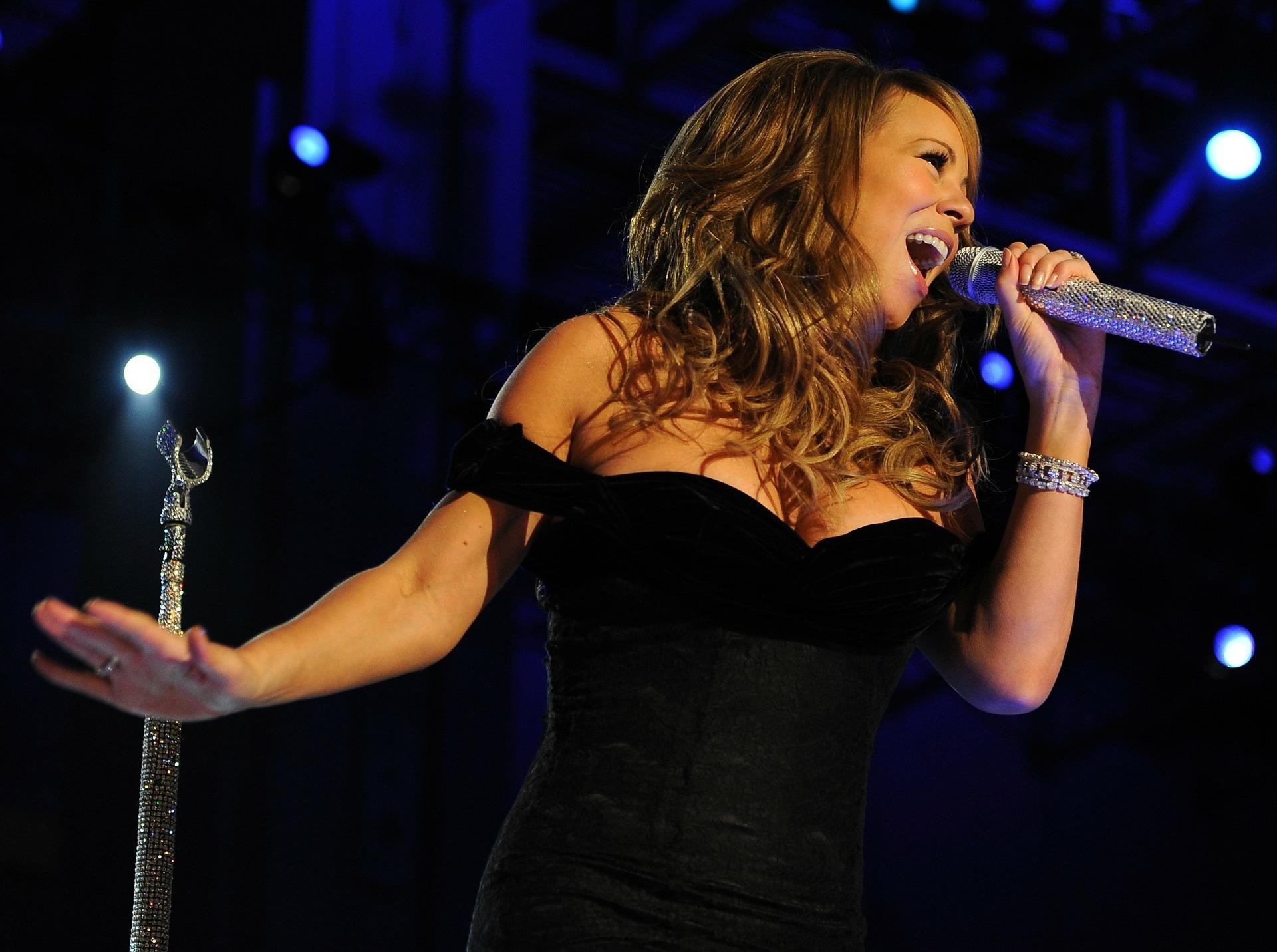
Contralto
For women, there are four main tessiture. The deepest voices are contralto. Examples include Cher, Judy Garland, Annie Lennox, Joni Mitchell, and Amy Winehouse. This type of voice is useful for getting started with slower and gentler music.
Contraltos are great for blues, soul, jazz ballads, and folk storytelling. As a lower female voice, their distinctive tonal signature stands out in both contemporary and acoustic genres. Classical contraltos are used for dramatic roles.
Mezzo-Soprano
In the higher range of voices, we find the mezzo-soprano voice. This is quite common among female singers. These voices are good for a lot of songs and famous examples include Ella Fitzgerald, Janis Joplin, Madonna, Rihanna, and Barbra Streisand.
Mezzo-sopranos are commonly found in pop, R&B, jazz, and musical theater. Their strong middle register gives them an advantage for lyrical roles while also being able to do bold, dramatic solos if needed. They're great for genres blending expressive phrasing and rhythmic intensity.
Soprano
Finally, the soprano is the most common voice for women and children. This is the highest tessitura and is useful for both contemporary music and classics. Julie Andrews, Sarah Brightman, and Mariah Carey are all sopranos.
Sopranos offer brightness, agility, and higher melodic lines to classical opera, Broadway, and contemporary pop. By projecting in the upper register, they can carry vocal hooks, melismas, or coloratura passages. Acoustic genres are great for sopranos, too, as they are typically clear and precise.
Male Voice Types
Just like with female voices, there are different categories of male voice. Bass is the lowest of the male ranges, baritone corresponds with a typical spoken range, tenor is a step higher, and countertenor is close to the female contralto voice.
main types of male voice: Countertenor, Tenor, Baritone, and Bass.

Bass
The bass is the lowest male voice type. It's deep, resonant, and powerful. Basses are comfortable singing rich lower tones and have a commanding, authoritative quality in their voices. This is a common voice type in classical, choral, and musical theater roles. Well-known bass singers include Barry White, Leonard Cohen, and Tim Storms.
Thanks to their depth, bass voices are good in choral music, a cappella arrangements, spirituals, and gospel. Genres like blues, folk, and soul are suitable for bass voices. The grounded tone is good for adding emotional weight to slow and expressive music.
Baritone
The baritone is the most common male voice type. This is between the tenor and bass ranges and typically is warm and rounded. This voice type is suitable for carrying melodies with enough depth to support harmonies. Baritones are well-suited to many contemporary, classical, and musical theater styles. Famous baritones include Michael Bublé, Freddie Mercury in his mid-range, and John Legend.
Baritones are among the most flexible singers. They're great with pop, jazz, R&B, and musical theater. Thanks to a comfortable midrange, they can offer richness, especially for storytelling. Baritones tend to do well as singer-songwriters, where their warmth is well-suited to conversational phrasing.
Tenor
The tenor is the highest male voice type and is known for its brightness, ringing quality, and strong upper register. Tenors are often used for expressive melodies above the typical male speaking range. Tenors have to employ agility, breath control, and clear resonance. This voice type is common in pop, rock, opera, and musical theater. Famous tenors include Luciano Pavarotti, Bruno Mars, and Sam Smith.
Tenors are great for genres like pop, rock, R&B, and musical theater. Their upper register helps them cut through dense instrumentation. Whether as a lead role or in a dynamic vocal line, tenors excel. In opera, they're often heroic or emotional characters.
Countertenor
The countertenor is the rarest of the male voice types. These singers can comfortably sing in the alto range with a resonant head voice or reinforced falsetto. Countertenors are known for their smooth, bright tone. They're lighter and more flexible than other male voices. Famous countertenors include Andreas Scholl, Philippe Jaroussky, and James Bowman.
Countertenors excel in Baroque and early music ensembles and in the choral repertoire with high male parts. Their tone is usually pure, agile, and clear. Contemporary composers often use countertenors in experimental genres. Their voices are great for ethereal soundscapes.
Further Subcategories of Male Singing Voice
Similarly, there are subcategories of male voice according to their heaviness. For example, there’s basso profondo, basso cantante, dramatic high bass, etc. The same is true for baritone, where you can find bass-baritone, which is more powerful than your basic baritone. In general, this is usually the range of bad guys in opera and musicals. Tenors have subdivisions such as lyric tenor, spinto tenor, and leggero tenor. In short, the male tessiture includes a wide range of voices, and it’s never a bad idea to learn what yours is. Remember that if you want to sing you also need to protect your voice. Mastery of your voice will help you sing without straining.
If you feel some resistance or trouble breathing, it may mean your voice is tired and you’ll be more likely to hit the wrong notes. There's nothing worse than listening to someone try to hit a high note and fail but this doesn't mean that they're not a great singer. It might just mean that they don't know their voice range, need to work on their vocal technique, or even could do with a good vocal warm-up. Voice training can help with all this and knowing your voice type will also help you to audition for the right roles in musicals, for example.
How to Determine Your Voice Type
Now that you know a bit about the different types of voices, you need to know what type you have. You’ll want to sing songs that match your voice. You should know that you can’t choose the kind of voice that you have so all you can do is work out which one you have.

Of course, your voice, vocal cords, larynx, and diaphragm all play a part. This is why you shouldn’t put unnecessary strain on your voice and tire it out. Make sure you have a good posture, breathe with your diaphragm, and articulate your vowels and consonants.
Step 1
Warm-Up
A proper vocal warm-up prepares your vocal cords, increases airflow, and reduces strain. Gentle humming, lip trills, and sirens help loosen the voice before testing your range.
Step 2
Find Your Range
Move slowly down to your lowest comfortable note and up to your highest without forcing. This helps determine both your overall range and the boundaries of your tessitura.
Step 3
Assess Timbre and Tessitura
Listen to the natural color of your voice (bright, warm, dark, or powerful) and note where your voice feels most relaxed. Tessitura (your most comfortable zone) matters more than your extreme highs or lows.
Step 4
Consult a Singing Tutor
A vocal coach can confirm your voice type with professional accuracy. They’ll analyze your tone, flexibility, resonance, and tessitura, then guide you toward techniques and repertoire suited to your type.
The Role of Tessitura in Voice Classification
Knowing your tessitura will help you sing well without tiring as much. You can think of range as all the notes you can hit and your tessitura as the notes you can comfortably hit. Singing within your tessitura is better than singing within your range. Here's how to determine your voice type step-by-step.
Your vocal range includes every note you can physically produce from your lowest to highest pitch, even if some of those notes feel strained or difficult. Tessitura, on the other hand, refers to the part of your range where your voice feels most natural, comfortable, and sustainable during extended singing. Two singers may share the same range but have different tessituras, which is why tessitura is a much better indicator of your actual voice type and the repertoire that will suit you best.
What Can You Sing with Your Type of Voice?
Some days there won't be a song in your heart. Sing anyway.
Emory Austin
Now that you’re aware of the different voice types, you need to find out what repertoire is appropriate for your voice. So while breathing and posture are important, certain types of music are more suitable for certain voices than others. Singing according to your voice type will help you get the most out of your voice, whether it's contemporary music or opera.

To find the best music to sing along to, the best idea is to practice! Listen to more and more music and adapt your ear to specific sounds, or check for singing lessons online here on Superprof. Over time, you’ll find what your voice is best suited to. The middle tessitura (tenors or baritones, for example) will probably have a larger repertoire to choose from, while the upper and lower ranges will have to find more specific songs for their voices.
Whatever your voice type, it’s essential that you hit the right notes. It’s harder to hit the right notes if you’ve chosen the wrong song! Being aware of your strengths and weaknesses will help you to know whether you've picked a song where you can hit the high notes, whether your vocal folds will respond well to specific voice lessons, and which voice exercises are right for which vocal registers.
You can also learn more about registers from a singing coach or tutor. They can even show you artists with the same tessitura as you. Again, a tutor can help you work out the best repertoire. If you'd like to learn more about singing, consider getting help with singing lessons here on Superprof.
Enjoyed this article? Leave a rating!


 Loading...